
Back to School After Divorce: What Should Be in Your Parenting Agreement?
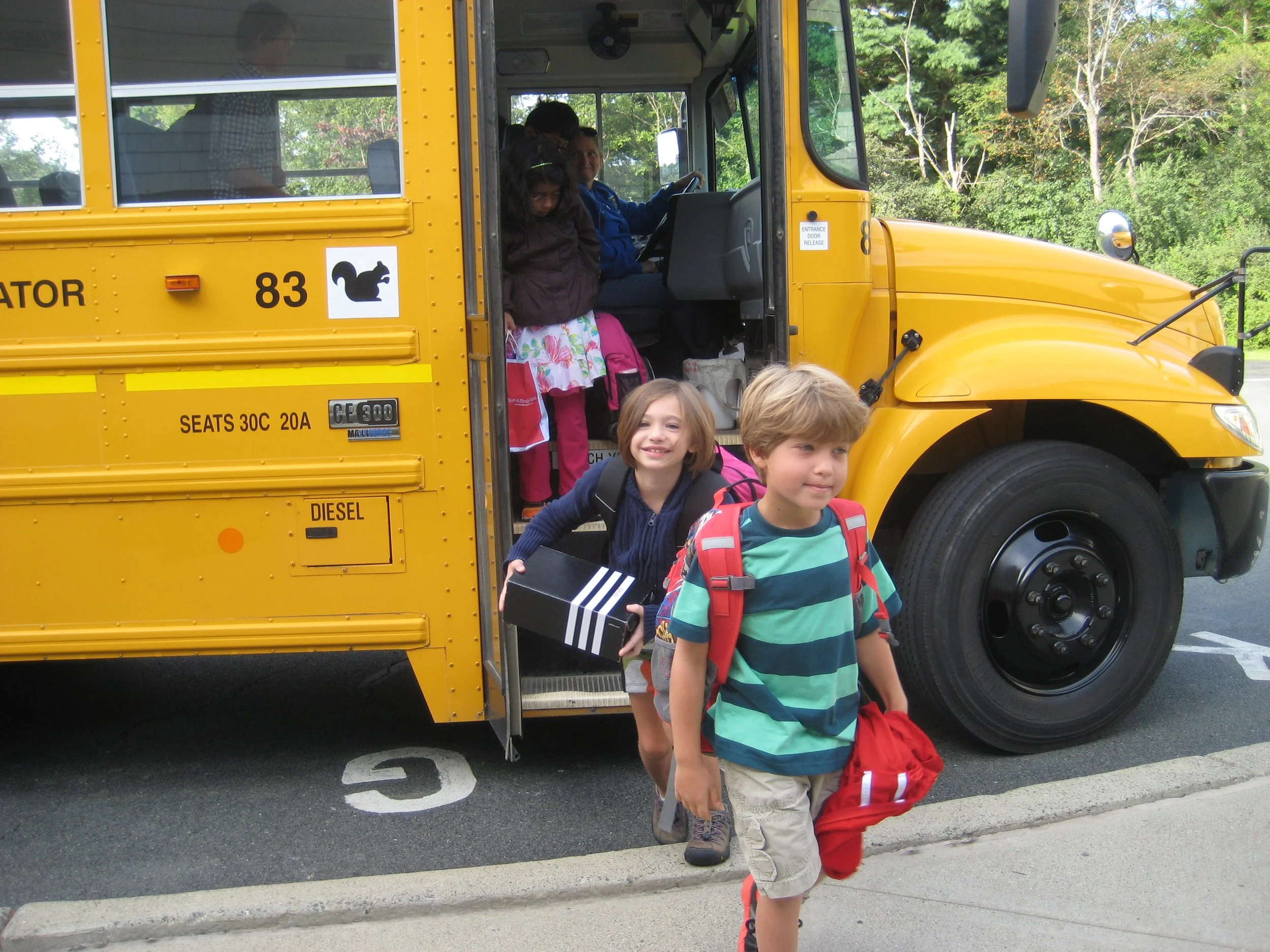
Children getting off a school bus.
The start of a new school year can feel like a fresh beginning. New teachers, new schedules, new activities, and new routines. But for separated or divorced parents, back-to-school season can also expose gaps in a parenting agreement.
Who gets the school emails? Who signs permission slips? What happens when soccer practice falls on one parent's parenting time but the other parent signed the child up? Who stays home when a child is sick? And what happens when your child leaves their Chromebook at Mom's house but is spending the night at Dad's?
These may sound like small issues. But small, recurring issues are often exactly where co-parenting conflict begins.
A good parenting agreement shouldn't simply divide a child's time between two parents. It should help parents anticipate the decisions and situations that are likely to arise and give them a framework for handling them.
Here are some of the issues I encourage parents to think about as a new school year begins.
1. Who Receives Information From the School?
Both parents should know how they will stay informed about what's happening at school.
Ideally, each parent has independent access to school portals, report cards, calendars, teacher communications, attendance information, and other records they are entitled to receive. Relying on one parent to forward everything to the other creates an unnecessary opportunity for frustration.
Parents can also discuss who will respond when the school needs something. If an email arrives asking for volunteers or a form needs to be completed, is there an expectation that the parents will communicate before responding?
The goal isn't to create a rule for every email, rather it’s important to be clear about expectations so that neither parent feels excluded and important information doesn't fall through the cracks.
2. How Will You Handle Parent-Teacher Conferences and School Events?
Back-to-school nights, concerts, sporting events, graduations, and parent-teacher conferences can create uncomfortable moments when parents haven't discussed expectations beforehand.
Can both parents attend? Will conferences be scheduled jointly? If a teacher only offers one conference slot, who schedules it and how will the other parent participate?
Think about your child as well. Most children want to look into the audience and see the people they love without worrying about where everyone will sit or whether their parents will be uncomfortable around each other.
You don't have to be friends to show up for your child. You do need a plan for doing it respectfully.
3. Who Makes Educational Decisions?
A parenting schedule determines where children spend their time. Decision-making is a different issue.
Your agreement should be clear about how important educational decisions will be made. That could include changing schools, requesting evaluations, receiving special education services, tutoring, academic interventions, or other significant decisions.
If parents share decision-making responsibility, they also need a process for what happens when they disagree.
Consider agreeing on how information will be gathered, whether teachers or other professionals will be consulted, how long parents will have to consider a decision, and what they will do if they still cannot agree.
4. How Will You Handle Extracurricular Activities?
This is one of the most common sources of avoidable co-parenting conflict.
One parent signs a child up for travel soccer. The other discovers that practices occur during their parenting time. Or a child wants to take dance, music lessons, or participate in a school club that requires transportation from both households.
Before registering a child, parents should consider the cost, schedule, transportation requirements, equipment, travel, and impact on each parent's time and agree to a plan to support the child’s participation from two households.
5. Who Pays for School and Activity Expenses?
Back-to-school expenses add up quickly.
School supplies, technology, uniforms, sports equipment, activity fees, field trips, yearbooks, tutoring, class trips, and other expenses can become a source of resentment when parents have different expectations about what is necessary or reasonable.
A strong agreement can address which expenses are shared, how they are divided, whether parents need to agree before incurring larger expenses, and how reimbursement will work. You may even want to establish a dollar amount above which both parents must agree before an expense is incurred.
6. What Happens When the Unexpected Happens?
Children get sick. Buses are late. Schools close because of weather. Practices get canceled. Work meetings run long.
Your parenting agreement can't anticipate every unexpected event, but it can establish some basic expectations.
Who gets the call if your child is sick at school? Who has the first opportunity to pick them up? What happens if school closes unexpectedly? If one parent needs childcare during their parenting time, does the other parent have the opportunity to care for the child?
The more complicated your schedules are, the more valuable these conversations become.
7. How Will Things Move Between Two Homes?
Sometimes the biggest conflicts are about the smallest things.
The soccer cleats are at Dad's. The homework folder is at Mom's. The school uniform didn't make it back. Someone forgot the trumpet.
Children shouldn't have to carry the stress of managing two households. Ideally, most items the children will need should be duplicated in both households: clothing, toiletries, bedding, etc. so each house feels like a real home. For those items that need to travel back and forth, help your child develop a list. Decide how forgotten items will be handled and, most importantly, make sure your child isn't blamed for the logistical challenges created by living in two places.
8. How Will You Communicate When There's a Problem?
Perhaps the most important part of a parenting agreement isn't the schedule at all. It's how parents agree to communicate when something isn't working.
Will you communicate by text, email, phone, or a co-parenting app? What types of decisions require consultation? How quickly should someone respond when a decision needs to be made? What kinds of decisions can be made without consultation? What happens when a parent is out of reach?
It can also help to agree on what not to do:
· Don't use your child to deliver messages.
· Don't ask your child to report what's happening in the other parent's home.
· Don't criticize the other parent through school staff.
And Remember: Your Parenting Agreement Should Grow With Your Child
A parenting agreement isn't something you create once and put in a drawer.
A schedule designed for a six-year-old may not work for a twelve-year-old. Sports become more demanding. Homework increases. Teenagers get jobs. Children develop stronger friendships and increasingly have schedules of their own. That doesn't necessarily mean you need to renegotiate your entire agreement every year but it does mean it’s worth asking if the current arrangement is still working for your child and for your family.
As a mediator, I help parents have these conversations before small issues become big conflicts. We can identify the places where expectations differ, talk through each parent's concerns, and create practical agreements that allow both parents to remain actively involved in their child's life.
